
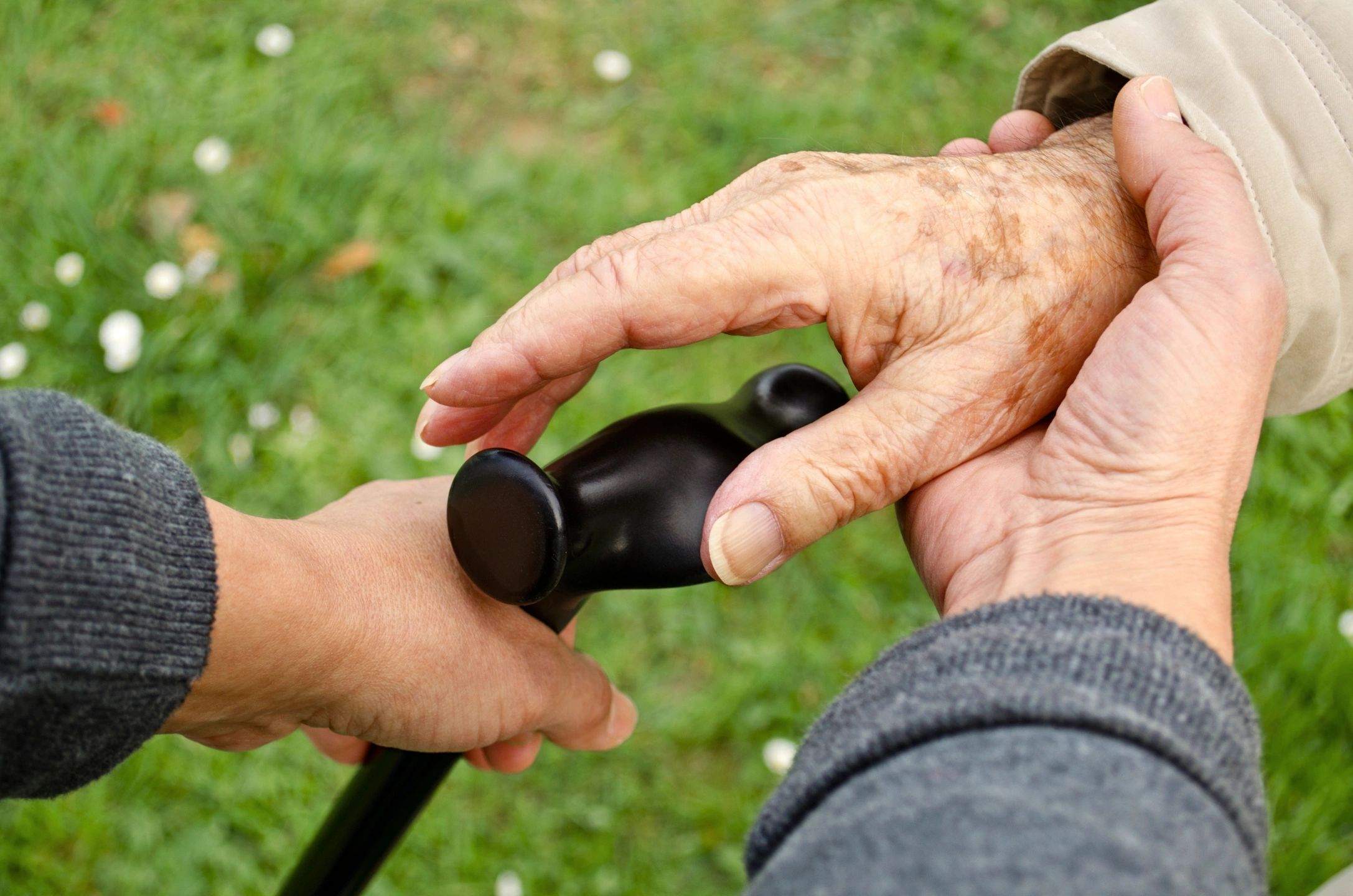
Aging at Home in a Townhouse Condominium: Community and Support
The physical environment matters when aging in place — but so does the community. A townhouse condominium where neighbours know each other and look out for one another is a fundamentally different experience from one where residents are strangers.
The Value of Community
Research consistently shows that social connection is one of the most important factors in healthy aging. Condominium communities, at their best, provide exactly this: neighbours in close proximity, shared spaces that encourage interaction, and a sense of belonging.
This doesn't happen automatically. It requires a community culture that values connection — and boards and management that support it.
What Well-Managed Communities Do
They create opportunities for connection. Community events, shared amenities, and common spaces that invite use rather than discourage it give residents reasons to interact.
They communicate clearly. Residents who feel informed about what's happening in their community feel more connected to it.
They respond to concerns. When residents raise issues — maintenance problems, safety concerns, neighbour conflicts — and see them addressed, they feel that the community works for them.
They support residents in need. A PRA list, clear emergency procedures, and a management team that knows its residents are practical expressions of community care.
For Older Residents
If you're an older resident in a townhouse condominium, consider getting involved. Attend the AGM. Introduce yourself to your neighbours. Participate in community events if they exist.
The relationships you build are an investment in your own wellbeing — and in the community's.
For Boards and Management
The aging of Ontario's population means that more condominium residents will be older adults in the coming years. Boards and management providers who think proactively about what this means for their communities — in terms of accessibility, services, communication, and culture — will serve their residents better.
A community that works well for older residents generally works well for everyone.