
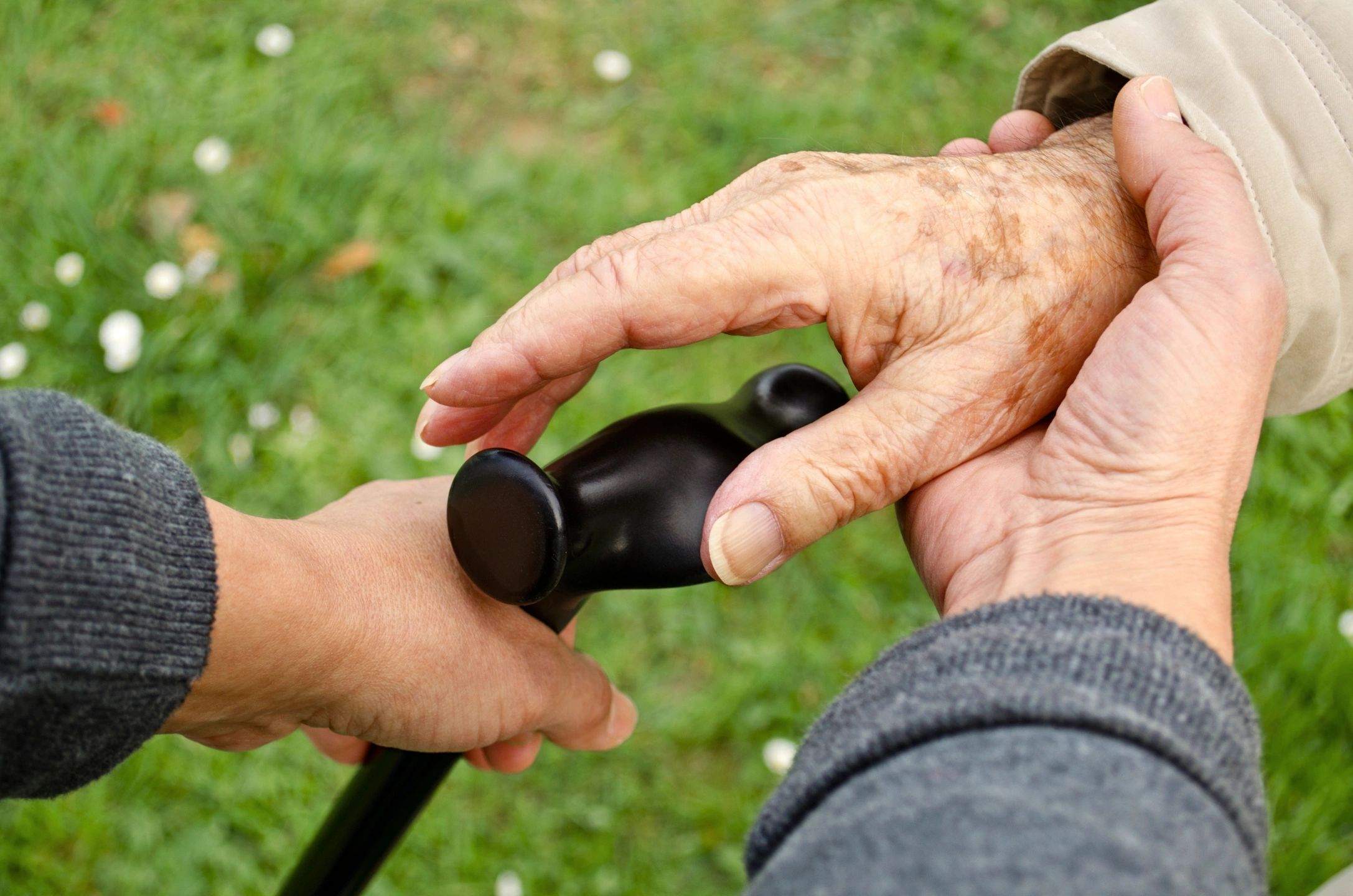
Aging at Home in a Townhouse Condominium: Accessibility and Modifications
One of the most practical questions for older residents in a townhouse condominium is whether the unit and community can accommodate the physical changes that come with aging. The answer depends on both the physical environment and the corporation's rules.
Common Accessibility Modifications
Residents who want to age in place often consider modifications such as:
- Grab bars in bathrooms and near stairs
- Handrails on both sides of interior staircases
- Lever-style door handles instead of round knobs
- Improved lighting in hallways and stairwells
- Ramps or threshold modifications at entrances
- Walk-in showers or tub modifications
Some of these are straightforward. Others may require approval from the corporation, depending on whether they affect common elements or the exterior of the unit.
Understanding What Requires Approval
In a condominium, the boundary between your unit and the common elements is defined in the declaration. Modifications that affect common elements — including exterior walls, doors, and shared systems — typically require board approval.
Modifications entirely within your unit — grab bars on interior walls, for example — generally don't require approval, though it's worth confirming with your management provider.
Requesting Approval
If you need approval for a modification, submit a written request to management that describes the modification, explains why it's needed, and confirms that it will be done by a qualified contractor with appropriate insurance.
Boards are generally supportive of accessibility modifications that don't affect the building's structure or appearance. Framing the request clearly and professionally helps.
Human Rights Considerations
Ontario's Human Rights Code requires corporations to accommodate residents with disabilities to the point of undue hardship. This means that a corporation generally cannot refuse a reasonable accessibility modification simply because it's inconvenient.
If you're facing resistance to a legitimate accessibility request, it's worth understanding your rights under the Code.
Planning Ahead
The best time to think about accessibility modifications is before you need them urgently. If you're planning to age in place, consider what modifications you might need in the future and whether your unit and community can accommodate them.
A conversation with your management provider about the process is a good starting point.